8.29.2011

サクラチキン Sakura Chicken

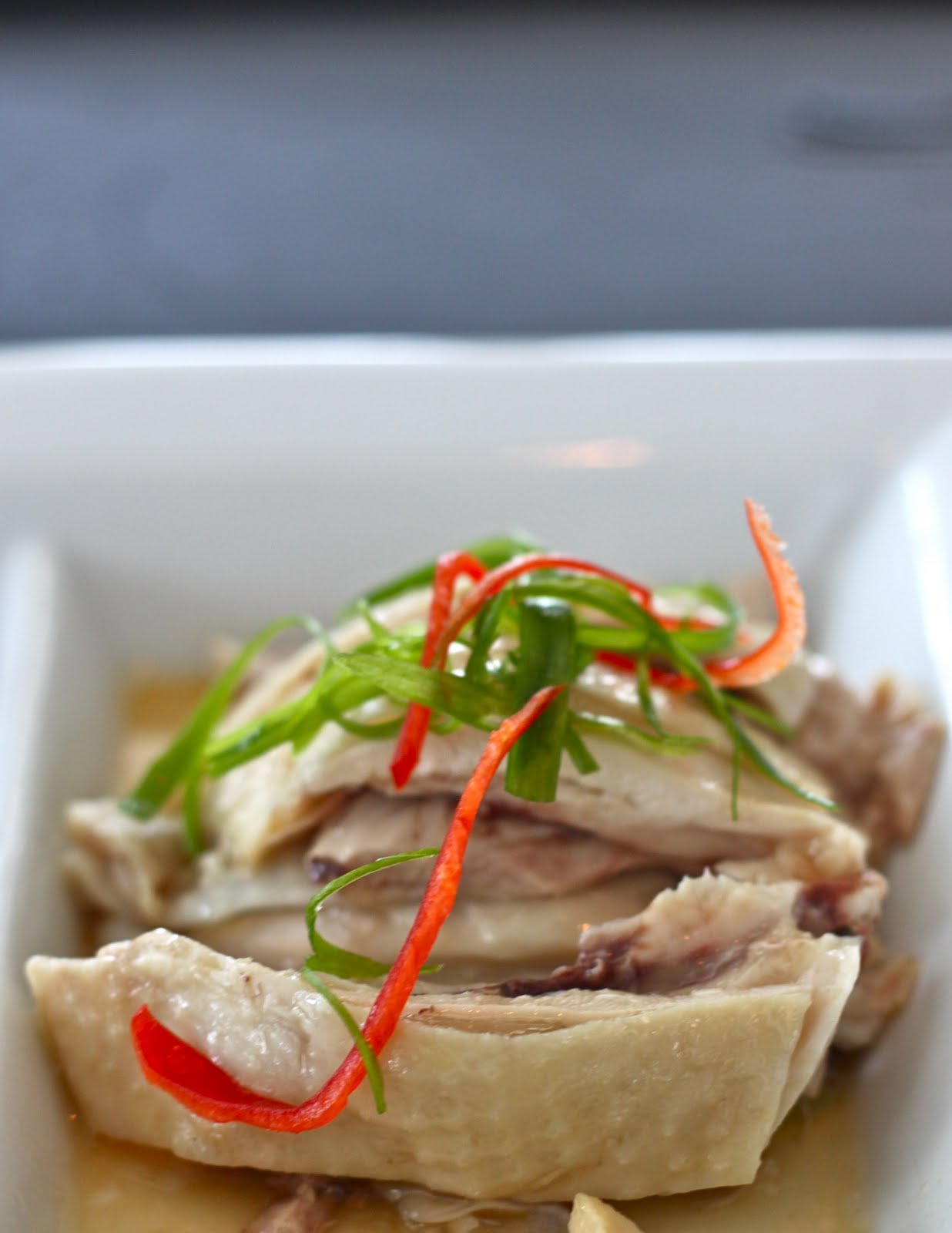
数年前からよく「さくらチキン」というブランド鳥をシンガポールで耳にする。ちょっとしたレストランでは「サクラチキンのホニャラララ」とった具合で鳥のブランドをアピールしている。なんだ、このサクラチキンというのは?色々検索をして、この鳥の製造元である、Kee Song社にたどり着いたが、ホームページではあまり詳しい事は記載されていない。分かっている事は、日本の最先端技術を使っており、餌には乳酸菌を使用しているそうだ。ますます、興味が・・・更に調べた。2007年からマーケットに出回るようになったこの鳥。餌に入っているこの乳酸菌は、鳥の免疫力をアップするので様々な病気にかかりにくくなるそうだ。他の養鶏所のように大量の抗生物質や成長ホルモンを一切使用せず、良質の餌に拘っているという。鳥が育つ環境にも力を入れている。とにかく、人とあまり接しないという事が大事で、色々なところはオートメーション化されていう。更に自社の養鶏所では、鳥にストレスを与えないために、モーツァルトをきかせているそうだ。日本の和牛のような環境にしているという。なるほど。そのサクラチキンだが、コレステロールが低く、脂肪も控え目だが、味わい深いとの事。写真はマリナベイサンズの57階にあるレストラン、Sky on 57のサクラチキンライス。

Sakura chicken. This brand of chicken is widely available in Singapore now at some of the high end restaurants. What is so unique about this chicken? read about this chicken on: Spirit of Enterprise. Pic above, Sakura Chicken Rice at Sky on 57, top of Marina Bay Sands.

8.23.2011

Singapore's Food Supply シンガポールの食料自給事情を考える


いつも食べるだけ食べて、シンガポールという国の食料自給事情を真剣に考えと事がなかった、小生。この国の5百万人の胃袋を満たす為にいったい食材はどこから来ているのだろう。実はシンガポールの食料自給率は1割にも満たないといわれている。その中身をAgri-Food And Veterinary Authority of Singapore<シンガポールの農畜産物を管理している庁>のホームページで色々調べて見た。主にシンガポール国内で製造している食材は、鶏卵、魚介類、そして葉物系のお野菜。魚介類は養殖が殆どだが、主にフィッシュヘッドカリーに遣われているグルーパーやスナッパー、そしてシーバス、ムール貝、コクルズ、エビ、マングローブカニ。葉もの系のお野菜は、チンゲンサイ、空心菜、チョイサム(シン菜)、カイラン(ハナッコリーのような中国菜)そしてもやし。野菜の栽培は特に土地の問題やら、安く手に入る輸入野菜(マレーシア・タイ・中国産)との価格競争もあるので大変だそうだ。食料自給率アップの為に国内での製造をより強化する狙いはある。AVAはこれからさき魚介類等は、現在国内で製造したものが全体消費の4%程だが、15%を目指しているという。鶏卵は現在23%から30%、そして葉もの系野菜は7%から10%まで。いずれも技術革新や経済的な支援を行うそうだ。さて、シンガポールの日本大使館によると鶏は主にマレーシアやブラジル産、牛肉は主にブラジルやオーストラリア、豚肉はインドネシアやオーストラリア産、魚はインドネシアやマレーシア産、野菜はマレーシア産だが、大きく気候に左右される為、 マレーシアだけにたよる訳にはいかない。価格面では、インドネシアや中国産も増えているようだ。AVAによると、1970年では鶏が80%、鶏卵は100%、豚は104%だったという。たった30年間で凄い違いだが、これも経済発展の犠牲だろう。今後はインドや中国が発展する事により、食料の確保はもっともっと厳しくなってくるだろう。そうなると、ホーカーセンターのお店は結構な打撃を受ける事になる。すでに10年前と比較すると、食材の価格は大分高騰しているのに対して、ホーカーセンターの価格はあまり代わっていない。50セント程度の値上がりはあるものの、お店側は利益を削って、営業しているのが実情だ。いまだにチキンライスをSG$2.50で食べれるお店は少なくない。それに対して、チャターボックスのチキンライスは10年前と比べると大分価格が値上がっている。
All I did was eat in Singapore -shame on me. I have never thought seriously about Singapore's food self sufficiency level. I simply assumed that majority of the food stuffs were imported from Malaysia to feed 5 million people living in Singapore. But logically speaking, if you rely heavily on one nation for imports, there will be problem (like Singapore-Malaysia water relations). Diversification is of course necessary. Yet the fact remains that Singapore is dependent on imports for food. Now, relying heavily on imported food means in the future Singapore will face a big challenge as securing food will be much more difficult. Food self sufficiency level is less than 10% in Singapore, meaning Singapore produces less than 10% of the food it consumes. AVA is trying to boost production and it is AVA's top priority at the moment -seafood from 4% to 15%, eggs from 23% to 30% and leafy vegetables from 7% to 10%. I'd say the seafood boost from 4 % to 15% is very aggressive. Local farm raised seafood items include grouper, snapper, seabass, milkfish, green mussels, shrimp and mangrove crabs. Apparently though, Singapore is the capital of ornamental fish -the one that sells for higher price but can't be eaten! Local veggies are caixin, kailan, kang kong, xiao bai cai, bean sprouts and so on. So where does all the foodstuff come from? According to an article I read in the Japanese Embassy of Singapore website, majority of chicken is from Brazil and Malaysia. Pork - Indonesia and Australia, seafood -Indonesia and Malaysia, veggies -Malaysia, Indonesia and China (certainly there are other countries which exports food to Singapore in a smaller scale). According to AVA figures, during 1970's in terms of self sufficiency, the production of poultry was 80%, egg 100% and pork 104%!

My worry is that when global food crisis do occur and the food prices soar, individual food stalls at coffee shops and hawker centres will be greatly affected as compared to food giants that operate food courts where they have a bigger buying power and hence better at negotiating the wholesale price. And owning a food stall will be even more unattractive financially, and therefore younger generation will sieze to be a stall owner. Sadly, without the younger generation taking over, all these legendary flavors will be lost..
8.02.2011

Char Kway Teow チャークエイティオウ Singapore & Penang 炒粿條


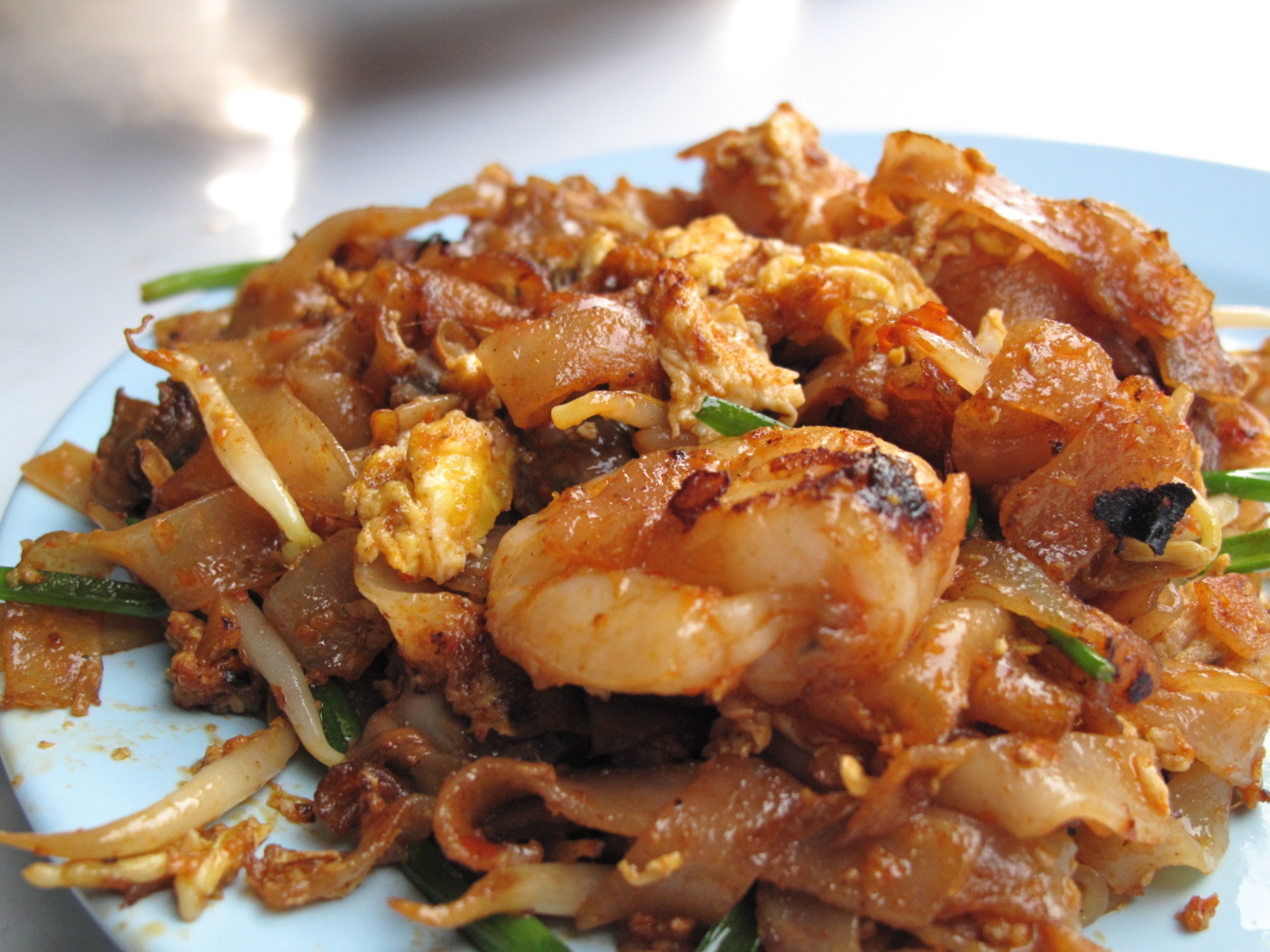
シンガポールとマレーシアのペナンにもチャークエイティオウは存在する。その英語表記は少し違っている:シンガポールはChar Kway Teow(通称CKT)そしてペナンではChar Koay Teow. どちらも、きしめんのような米で出来ているクェイティオウ(粿定)という麺を使用する(ただシンガポールではホッケン麺を混ぜて使用するー二つの麺を混ぜて食感に違いをもたらす、にくいテクニックだ。ホッケン系の料理でもあり、潮州系の料理でもあり、シンガポールではどちらともいえない。味付けは大きな違いだと思うーシンガポールのはやはりスイートソイソースを使用するので、甘めだがその中にもサンバルチリのガツンとしたキックがある、絶対的にドシっとした味わい。ペナンのは甘さがなく、チリソースとソイソースが味のウエイトをしめていてあっさりだが、鴨のたまごとラードをふんだんに使用するのでコクはある。そしてなによりペナンのは具材にエビが入るのでその味はソースに伝わっている。現地ではウォックヘイ(Wok Hei)という独特の中華鍋がもたらすキャラメリゼっぽいスモーキーな味がよしあしを決める。写真一番上のが、私の好きなホンリム(Hong Lim Complex)のOutram Park Fried Char Kway Teow、その下が、ペナンの有名なAh Leng Char Koay Teow.両者とも小ぶりの赤貝(現地ではCockles(英)、See Hum(ホッケン)、Kerang(マレー)と呼ばれている)が入る場合が多いしあたる場合があるので覚悟は必要だ。味的には好き嫌いが別れるところだ(写真下)。

7.29.2011

Song Fish Head 松鱼头

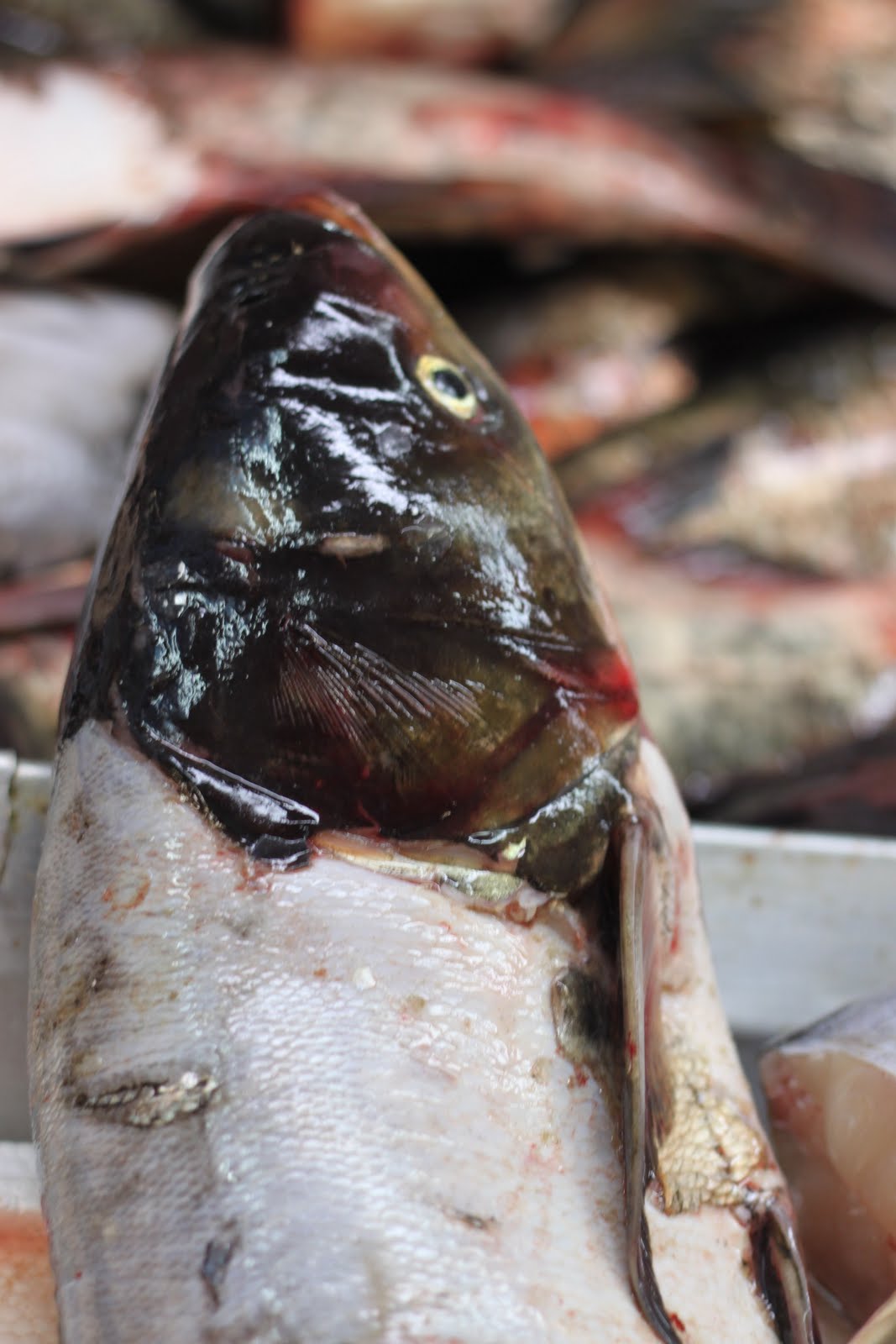
松鱼と書いてテオチューで「ソン・ユー」と発音するが現地では英語とチャンポンでソン・フィッシュと呼ばれている。時にはBig Head Carpはもっと一般的な呼び名だ。日本だと「松魚」と書いたら、かつおの事だが、このソンユーは、淡水魚で大きさは大体40−50cmはあるか?というより、それぐらいのサイズがチャイナタウン・コンプレックス地下のウェットマーケットでごろごろしていた。頭の部分は黒く、胴体はグレーというユニークな魚。
松鱼, also known as Song Fish (Teochew pronounciation) in Singapore or Big Head Carp generically is an interesting fresh water fish. I was wondering around Chinatown wet market and I saw this shop that sold only this unique looking fish. Other stalls had various selection of fish but this stall sells only song fish. Have I eaten this fish before? I've never seen this in fish head curries nor dish such as fish head beehoon. But given that this shop only sells song fish, the fish must be quite a popular ingredient in Singapore cuisine. By the way in Japan, 松魚 is bonito or katsuo -totally different stuff.


これを専門に売っている業者が一件ある。他のお店は色々な魚を扱っているのにここはソングフィッシュ一本勝負。フィッシュヘッドカレーやフィッシュヘッドビーフンには決して使用しないので、いったい何に使うのか?と考えてた。しかも、専門店まである、という事は相当ポピュラーな魚なのか?私のとてつもないフォトデータベースをチェックしていると、以外と食べた事があったのだ(8年前のJoo Chiat Rd.にある広東系の有名ズーチャー店、その名もJoo Hing -ここはおいしいぞ!お勧めだ)。
Black scale-less head with a silver-grey body, somehow the fish doesn't look very tasty. Well that is, appearance-wise. It's pretty big too 40-50cm or even more, and it's pretty fat and heavy looking. I was looking at my thousands of photos and I remembered that I have eaten this at Joo Hing @ Joo Chiat road 8 years ago.
ここの名物料理の一つ、Steamed Fish Head with Taucheo and Bakpoh = タオチオ(発酵した大豆で味噌のような調味料)のペーストを塗り、蒸したソンユーの上にこれでもか!というくらい、揚げたラードボンバー(Bakpo or crispy lard)とチリとネギがトッピングされている。このソースの味はなんとなく、和風でいわゆる味噌焼というイメージだ。ラードとチリでシンガポール風になっている。魚の味は以外と淡白だが、若干魚臭さはある。
Their signature dish, steamed fish head with tauchio paste and sinful amount of crispy lard on top. This dish actually reminds me of Japanese flavors meaning the taucheo taste like miso -almost like a miso basted grilled fish.

7.28.2011

Claypot Rice @ Le Chasseur 沙煲飯 with Basmati Rice

香港の方が有名だが、クレイポットライスはシンガポールの広東系の名物料理でもある。鶏、腸詰、ハムユイ(塩漬けした魚)が入っている炊き込みご飯。こちらでは、サーボーファンと言われている(沙煲飯=いわゆる釜飯だ)。30年前以上、父とシンガポールで長期に過ごした時、道端で食べたクレイポットライスの味は忘れられない。ほんのり香ばしいおこげの香りが蓋を開けた瞬間、鼻を直撃する。子供の頃の記憶というのは凄い物だ。さて、Le Chasseurは、ニューブリッジロード、シンガポールリバー近くにあるズーチャー屋さんだ(煮炒:とは、色々なおかずや惣菜を提供するお店の事)。中華系のシンガポール料理屋だが、不思議とフレンチなネーミングだが(Chasseur とはハンターという意味)、その理由など、どうでもいい。オーナーはテオチューの方だが、広東料理のクレイポットライスはここの名物である。クレイポットライスだと時間がかかるイメージがあるが、ここはものの20分で出来るのだ。普通は30−40分は待たなくてはならないので、クレイポットライス屋へ行く予定があれば、事前に電話予約してからお店へ行くと効率的なのだ。
そして珍しい事にここはなんと、バスマティライスを使っている。恐らくここだけだろう。通常のインディカ米より軽い仕上りになっている。軽い仕上りを目指しているのかはわからないが、バスマティライスは炊きあがりが早い。というのも一度、パスタのように沸騰したたっぷりの湯で茹でて、クレイポットに入れて、少量の水分又は出汁を加えればあっという間に炊きあがる(なので、20分で提供できるのだと勝手に思っている)。確かに、多くのビリヤニもこのようにして作られている場合が多い。やはりお焦げの香ばしさはなんともいえない。ライスも食感が軽いのでバクバクいける。

At Le Chasseur, a local favorite cze char place, classic claypot rice or "sar poh fan" is done with a twist -using basmati rice. The end result is a very fluffy and light texture so I guess one can eat more than the usual claypot rice sold nationwide. But why the expensive basmati rice? And is basmati rice a perfect rice for claypot rice? This is a matter of preference and there are always, chef's approach to things -some diners will get it and others won't. But one thing I know is that it cooks faster than the normal rice -say jasmine rice. You can boil basmati rice like a pasta till 70% done and then put it in a claypot with some stock and cook it till the crust forms. This way, it cooks very fast and a lot of briyani is done with this method (I usually cook basmati rice like pasta method). And maybe that is the reason why the claypot rice came out after 20min of ordering, I really am not sure. Dum briyani is almost like a claypot rice and in Japan we also have kama-meshi (釜飯) which uses aluminum pot. Of course we use japanese short grain rice also known as japonica rice. So, in light of this, short grain rice may also be suitable for sar poh fan although a bit more starchy- but I know for sure some will dig it.