Humble Japanese, trying to de-mystify Singapore cuisine and food culture. This is not a restaurant / stall rating blog.
6.22.2013
Chicken Rice Authenticity 現地のチキンライスってなんでしょう?
私の長年の(12年以上前からの)チキンライスノートを調べていたら、のべ、食べたチキンライス屋は、70店弱。おいしいと聞いたところ又は、行列の出来ている知らない店は必ず食べるようにしている。もちろん、その内の10件は、ヘビーローテションでシンガポールを訪れる度に行く様にしている。その中で、私は、チキンライスという料理を私感的&客観的にどうして美味しいのか?又は、その美味しさはどこにあるのかを食べる度に自分に問いているのだ。そして、日本帰国直後、まだ脳に記憶が残っている間に、真っ先に海南鶏飯食堂のチキンライスを食べて、私好みに仕上がっているかどうか確認している。料理に完璧というものは存在しないと私は思っているのだが、海南鶏飯食堂のチキンライスは手前味噌だが、そこそこいい味を出しているなと実感する昨今だ。ちなみに、上のチキンライスがどこのチキンライスだか、分かった方は、結構通です。ビッグヒント:特徴は、ライスの仕上り加減とキュウリのカットの仕方、そして、シンガポール中を回ってもどこにもない、チリソースの色にあります。毎日、とてつもなく行列の出来る専門店です(答は、ブログの最後に)。
I have been collecting data of Singapore food since 12 years ago and found out that I have visted 60+ chicken rice stalls in Singapore. These are of course recommendation by my friends, by some foodie blogs and also the ultimate guide: Makansutra. I don't know how many of great places to eat chicken rice exist now but I do frequent few stalls that I am comfortable with, they are delicious but within my vicinity. My notes are simple, why is this chicken rice particularly good, why is it special and if I were to change some things, what will it be? Plus of course I note on the rice, the sauces and the chicken and sometimes gravy. When I go back to Tokyo, the first thing I do is, I eat chicken rice at my joint and check to see if we are on the right track -I think we are, fortunately. BTW, if you can guess the name of the chicken rice stall of top foto, you know what's up.
様々なブログ等で、海南鶏飯食堂のチキンライスは、現地に近い味がする、とよく目にします。現地に「近い味」というのはいったい正直どういう意味なのでしょうか?本当に、説明してほしいですね。私は、シンガポール(現地)の味に近い味を出す、というよりは、その美味しさを理解し、チキンライスという料理を、シンガポールでチキンライス修行していない私のお店が提供するチキンライスであり、現地の味をレスペクトした、現地の味だと思っている。
Through people's blog (mainly Japanese ones of course), I often witness a comment that says: the chicken rice at Hainan Jeefan Shokudo is close to the ones in Singapore. "Close to the ones in Singapore?" But what exactly is an authentic chicken rice? I just want bloggers to clarify the authentic taste of chicken rice before jumping to conclusions.
シンガポールでチキンライスを食べると、チリソースは、当然「これ」といった味や仕上りは正直ないと断言出来る。文東記(ブーントンキー)のチリソースは比較的甘めな仕上りだったり、Yet Conのは、チリボー(チリのピューレ)のようにシンプルだし、それぞれどの店も濃度が違う。ライスの味もテクスチャーもそう。鶏の温度も、どのタイミングで食べるかで大きく違うし(特に冷水にいれないオールドスクールなお店: Yet ConやNam Kee 注:wee nam keeではありません)お店によって鶏の茹で加減は大きく異なる事も。場合によっては、ちょっと火が通っていないかなという鶏もあるけど、それはその店の個性。カットの仕方も多くはないが、店によってサイズが違う。
My conclusion is that chicken rice is pretty much a food that has many variations and flavors are diverse. I don't think there is one true definition of chili sauce -ex. Boon Tong Kee has quite a sweet note but Yet Con is more like flavored Chili Boh etc. This extends to rice, gravy and chicken -textures, flavors, doneness -they all depend on the stall's philosophy. If they don't serve ginger sauce, will it seize to be an authentic chicken rice or vice versa? If the stall pours gravy on the chicken, will it seize to be an authentic chicken rice? You decide.
多くの観光客が食べるチャターボックスのチキンライス、又は、多くの日本駐在員が好んで行く、天天やWee Nam Keeは、チキンライスの味の基準になっている気がする。そして、それらのお店から大きく味が遠のくと現地の味では、なくなるという事だ。これは大きな間違いだと思っている。シンガポリアンでも気がついていない人が多いのだが、実は、チキンライスは味に結構バリエーションがある食べ物だと私は思っている。私は、どこそこのが一番美味しいというよりは、そのバリエーションを最近では、楽しんでいる。なんでもそうだが、料理にバリエーションがあるからこそ、その料理を面白くするのでは、ないだろうか。
People in Japan who have travelled to Singapore (tourist) tend to standardize chicken rice authenticity with Chatter Box's chicken rice (but chicken rice is not all about Chatter Box). Expats who have lived or who live in Singapore do the same but they prefer Tian Tian and Wee Nam Kee (likewise chicken rice is not all about those outlets either). So generally speaking, if the taste is not up to par with those outlets, they tend to categorize chicken rice served in Japan as "not authentic" or close. I myself am aware of the diversity in flavors of chicken rice served in Singapore after visiting so many so I enjoy that difference and in my book, they are all authentic in their own way. What matters is, does it taste good?
答:チャイナタウンコンプレックスにある、Heng Jiです。
さて、下の写真のチキンライスは、どこのでしょうか?
チキンに特徴があります。煮込んだ大豆が一緒に添えてあります。ここのチキンは、醤油で煮込んであるので、味がしみていて旨いんだよな〜。答は、次回。
4.10.2013
Endangered Food Culture ホーカーセンターは大丈夫か?Part 2
丁度、5年前の2008年に、ホーカーセンターは大丈夫なのか?というブログを掲載した。あれから5年、色々な動きを私は、シンガポールで目撃している。今回は、シンガポリアンであるCharmineさんからコメントをいただいたので、改めて今の現状をまとめてみた。私がシンガポールへ訪れると、ローカルの新聞であるストレーツタイムズに必ず目を通す。目立った記事をここでいくつか紹介した。
昨年よりシンガポールでは、人気店が門外不出のレシピを売りますというニュースが数件あった。その中で最もメディアで注目されたのが、Upper Payar Lebarにある有名な広東ローストのお店、Kay Lee Roast Meat Joint.である。そのレシピの金額にびっくりする
SG$2,000,000(SG$が70円だとしたら1億4千万円だ!。結局、その金額では、おりあいが、付かずだ(当たり前だ!)。レシピを売に出した理由は、定年退職後の資金の為だという。
長い間、営業していたお店が、閉店するというニュースが数件あり、かなり大きく紹介されていた。理由の多くは、料理人の高齢化だけとは、限らないのだ。East Coast Park Lagoon Food Centreにあるsatay beehoonで有名なMeng Keeは、料理人がガンの為、閉店。 後継者もいない。私もここのsatay beehoonは、2度程食べたが、ソースがおいしい。リトルインディアにある、中国スタイルのフィッシュヘッドカレー屋であるSoon Hengは、人手不足で閉店。オーナーの子供たちは、出来る限り手伝っているが、お店を継ぐつもりは、ないという。後継者問題だけでなく、外国人の雇用枠を越えているので、これ以上、外国人を雇えないのだ。これは、この店に限らず現在、大きな問題となっている。シンガポールでは、日本では考えられない程の外国からの労働者を雇用しているが、今のガイドラインでは、飲食店はなかなか運営する事が困難になっている。飲食店は、皆ガイドラインの緩和を願っている。それでは、シンガポールの若い人に頑張ってもらえばいいと考える人もいるが、シンガポリアンが飲食店(特に現地の料理を売りにするお店)で働きたがらないのだ。長い労働時間、賃金、そしてかっこよくないというイメージが大きな理由だ。フレンチ・イタリアン等のコンテンポラリークイジーヌには、(かっこいいというイメージがあるので)若い料理人は料理学校を卒業したらホテルや星付きのホテルで修行を始める。理由は分かるのだが、悲しい限りである。後は、South Buona Vista にあるLim Seng Lee Duck Riceはその45年の歴史に幕を閉じる(2013年6月)。こちらも閉店の理由は、後継者がいないという事とオーナーである料理人が、67歳という事で、仕事がハードだという事。それぞれ、色々な問題でお店を閉店しているが、共通するのは、後継者問題である。ここをどうにかしないと、本当のホーカーフードは、シンガポールから無くなってしまう。
若い料理人に、ローカルフードのパッションを植え付けるには?それを考えていた矢先に、今度は、ショッキングな記事を目にした。23歳という若さでホッケンミー屋を切り盛りする若き料理人の話だった。彼が直面している問題は、シビアだ。10人中、9人のシニア層のお客は、彼がホッケンミーを作っていると、店の前を通り、肩をすくめて、素通りするという事だ。その理由は、「若僧に旨いホッケンミーが作れるはずがない」。そう、多くのホーカー料理人は、40歳以上で、その顔は、経験と実力に満ちあふれている。若き料理人が頑張っているのに、シニア層に指示されないというこのジレンマは 、どう解決していけばいいのか?若き料理人は、言う「必要なのは、シニア層からの頑張れの一言」だと。なんとも可哀想な話だ。
Sempang Bedokのホーカーセンターが、民営化されたという話も大きく取り上げられた。 そうホーカーセンターは、国営である。もともとホーカーセンターが、誕生した大きな理由は、ホーカーをもっともっと衛生的に安全なものにするという政府の目的があったのだ。ちなみにホーカーセンターは、NEA(National Environmental Agency), HDB(Housing and Development Board)そして、JTC Corporation(Jurong Town Corporation)。民営する目的は、なんだ?シンガポールの食文化が失われつつある現状があり、昔の良きシンガポールをテーマに、食で人と人を繋いで行きたいそうだ。本来のルーツを知り、食への関心を高めて行きたいということだ。官僚の発想ではないというところに目を引かれる:無料WIFIの利用、週末には、フリーマーケット開催やライブバンドの演奏もあるという。まだ、こちらのホーカーセンターは、行った事がないが、いずれチェックしたいと思う。
さて、ホーカーセンターは大丈夫なのか?5年経った今、もっと深刻になっていると判断する。もちろん、誰も何もしていない訳ではないが、ペースが、早く手遅れになってしまっている。今後、日本同様に高齢化が進み、もっともっとリタイアする料理人が増え、後継者も現れず、若き料理人も興味を示さないとなると、ファストフードビジネスであるフードコートが、ますますその存在感が増してくるだろう。日本人の私が言うのもへんだが、これらの理由で、私は、シンガポール料理をやり続け、そして生き甲斐を感じている。私の最大のミッションは、シンガポール食文化を守って行く事にあると最近思う様になった。なんてね。
11.24.2012
Noodle Potential: Mee & Ramen
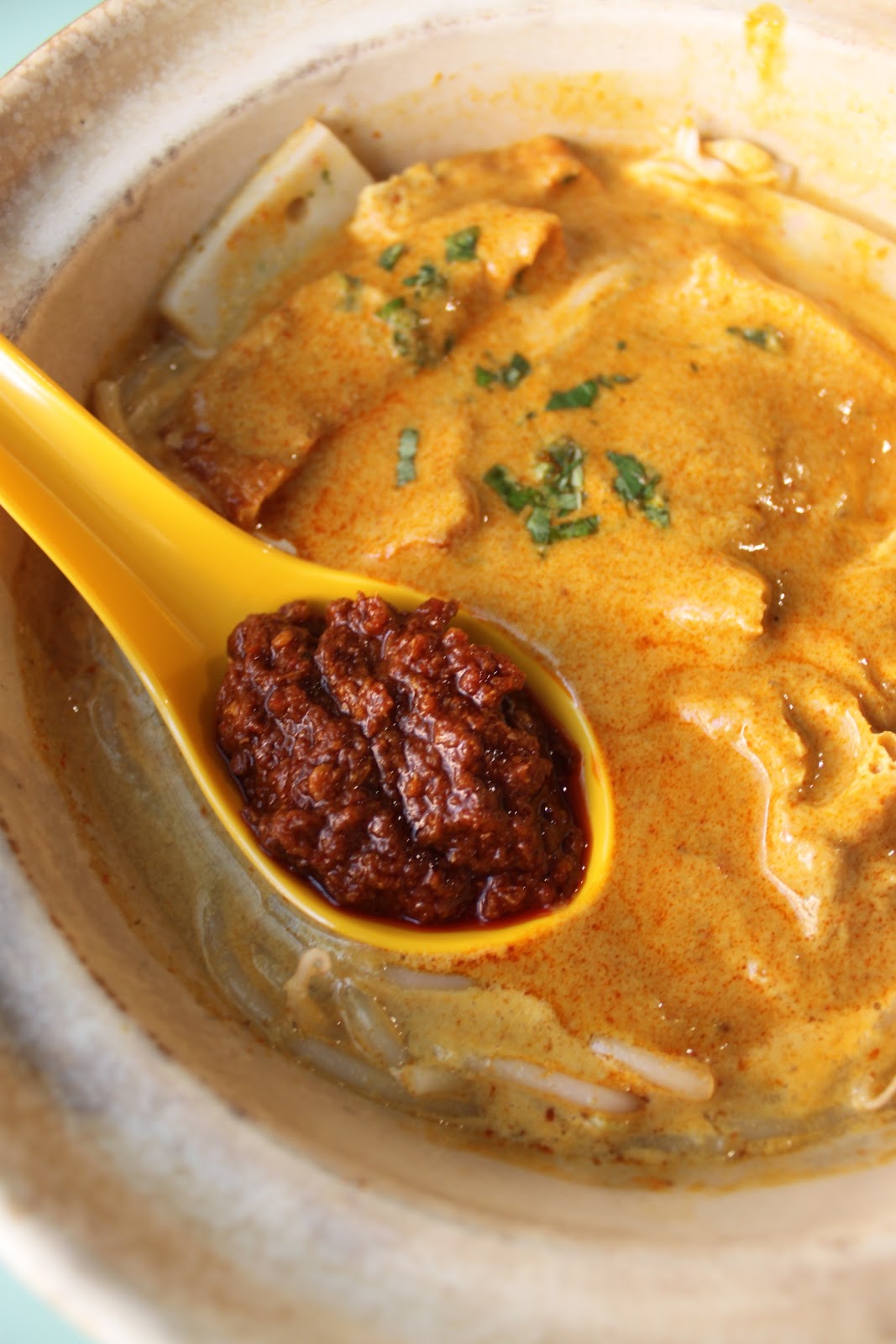
In recent years, ramen business is booming in Singapore. 10 years ago, ramen did not have a reputation it has now and it has that trendy image so to speak -eating ramen. Now, I am always amazed how Singaporeans are so pro-Japanese food and with the recent launch of hot-shot star rated Japanese dining at MBS and Sentosa, the recognition (Japanese food) is getting even bigger (I am glad to witness that because I love Japanese food, quite naturally). Anyway, I do not eat ramen in Singapore because I am there to eat local food so I won't comment on how good Tonkotsu King is or Ippudo is. Actually, I don't frequently eat ramen in Tokyo either and I don't go hunting ramen trends here in Tokyo. I just eat at my comfortable nearby places. To a foreigner like me, Singapore is a noodle heaven with wide ranges of noodle dishes from coconuty laksa to irresistible bak chor mee, lor mee, char kway teow, hokkien mee, prawn mee, wanton mee.... the choices are simply mind boggling -and they are all amazing -textures and flavors. I am not comparing ramen and local noodles (let me simply call it mee here). But I think this "mee" is taken for granted, its got a lot of potential to be better but cannot. Why? Correct me if I am wrong, a bowl of ramen costs 12-SG$15. That means, they could spend more money on quality ingredients so, if the food cost is 30% (average on ramen), they spend $4-$5 on ingredients! The photo pic, claypot laksa at Depot Rd. Zhen Shan Mei for a small size is only 3 bucks. If they use a higher quality ingredients and sell it for say, $7, they will go out of business because people will start patronizing other stalls that sell laksa for a lesser price. My point is, a famous stall such as this laksa stall cannot raise prices in order to improve the flavor of their current laksa. The selling price is determined by the consumer not the stall owners. In the past 10 years, prices of ingredients and utility bills have inflated but the bowl of noodles remains the same or simply 50 cents or so higher. This means the profit margin is getting less and less for the stall owners. Low profit margin means bad business. On top of this low profit margin, comes long hours of hard work, day off once a week, namely, hard labor. Popular ramen joints do purchase, high quality ingredients and that is why the soup tastes good or toppings such as braised pork tastes good. Food is all about ingredients of course. Lame ingredients yield mediocre food, it's a fact. Singapore mee dishes have a lot of potential because people cooking it do not have such liberty to use better ingredients (although, with cheap ingredients, I think they do a great job selling it for 3 bucks...) given the current selling price. If they use better ingredients, their food would taste even better of course. I do not mean use lobster in prawn mee or those kind of gimmicky make-over. Just better ingredients like more shells or pork bones for example -an ingredients needed to beef up the flavors. If the Singaporean consumer do not have a mind shift in hawker prices, this is not going to happen (don't get me wrong though, I do also acknowledge that some people cannot afford to pay $5 for a bowl of mee, what I mean is, there should be more places with stalls with differing selling prices like ramen -you can find ramen in Tokyo for 300yen or you can find it 5 times that price, easily. The difference is quality ingredients.). Sadly, with high food cost and long working hours, working at a hawker stall is not a dream job for young Singaporean to-be-cooks or young entrepreneurs. Lack of successor is a grave problem and it definitely is starting to show.
12.30.2011
肉骨茶・工夫茶(功夫茶)Bak Kut Teh & Gong Fu Cha

これは私感的な意見だが、ある食べものには合う飲み物が存在すると信じている。チーズと貴腐ワイン、タンニンの強い赤ワインとステーキそして濃い目の中国茶と肉骨茶(バックーテー)。特に赤ワインと中国茶に関していえば、科学的な根拠がある。タンニンというポリフェノールが油っこい物を食べた時に舌にまとわりついた脂っこさを分解してくるのだ。これが大きな理由ではないが、私は肉骨茶を食べる時にお茶は欠かせない。舌がこのコンビネーションは合うぞと脳に指示をしている感じだ。中国茶だが、お店によっては色々なお茶を置いている:鉄観音(Tie Gwan Yin)、不知香(Bu Zhi Xiang)、香片(Xiang Pian)、鉄羅漢(Tie Lo Han)等、それぞれお茶の強さが選べるが大半は烏龍茶系だと判断する。これらのお茶を淹れる形式の事を工夫茶という(英語ではGong Fu Tea)。ところで、バレスティアロード(Balestier Rd.)にはバックーテー屋が夜中沢山営業している。そして、夜食を喰らう若者で常に賑わっている印象を受ける。私の行ったことのある店を数えるとすくなくとも4件はある。その中の一件(Ah Hak Bak Kut Teh)を訪れた時の出来事だった。なんと、若い兄ちゃんが肉骨茶をライビーナ(黒スグリ・Black Currantがベースのポピュラーなイギリスのフルーツ飲料)と一緒に食べているではないか。肉骨茶と何を合わせようが個人の自由だが、お寿司屋さんでコーヒーを飲むのと似たような感覚を私は思ってしまう。いや〜、時代は変わっていくが、お茶を飲まなければ、肉骨「茶」ならぬ肉骨果汁といったところか?恐らく、この若僧は功夫茶形式でお茶を淹れられないのではないだろうか。写真下、功夫茶形式でお茶を淹れるわたし。お茶を頼むとお茶が数回楽しめる茶葉の入ったパックをくれる<ティーバッグではない>。必ずテーブルの隣には、沸騰したお湯の入っているヤカンが置いてある。
This is my personal view on food paring but I believe that bak kut teh (pork rib soup) goes extremely well with a nice brew of Chinese tea and I prefer Tie Guan Yin for it's strong taste which cleanses my palate when eating food that is high in fat. This sensation is similar to eating a nice juicy rib-eye with a tannic red wine like Zinfandel and I am very sure there are scientific reason behind tannins (polyphenols) and fat solids. When I am at a bak kut teh shop, I like to spend a tranquil time with gong fu tea brew -almost zen like experience thinking nothing but the soup and the tea. Purist that I am, I acutally do not drink anything else with bak kut teh, if I have no choice, maybe the Oldelandia water or a lame chinese tea bag. Just like I do not have sushi with coffee -a rule breaking odd combination, I cannot comprehend when a young guy at a bak kut teh joint sipping pork rib soup together with Ribena. Actually I was shocked to see such a sight. Sure drink whatever pleases you with bak kut teh but not me -I will not have bak kut juice, only bak kut "teh".
10.11.2011
Using the Right Tools シンガポールホーカーの食器類
Disposable utensils at hawker centres should be banned. Of course there are environmental reasons behind this but for me, the primary reason is: paper thin plastic Chinese style soup spoon does not have the right texture when you sip a soup out of it (just one example -I also don't like styrefoam bowls and plates). You get a very good soup like fish soup and or laksa and simply bastardize it with an improper utensil. The non-disposable plastic one is sufficient but the disposable kind is simply not acceptable. So, from now on, I will carry my own soup spoon for a better dining experience. The expeience is as bad as drinking a good Burgundy Pinot with a styrefoam cup. Say "no" to disposable utensils. The utensil's texture plays an important role in tasting food and this is the fundamental rule for good food. On a different note, I had my condiment saucer (soy sauce and chilli padi) flown pathetically by an electric fan at a hawker center because it was made from disposable plastic. I got a new soy sauce with chilli padi and had to move to a safer location where the fan was not strong.
9.18.2011
Red Coloring in Mee Goreng etc. ミーゴレン等
Indian Muslim stalls in Singapore's are very unique, meaning, most of the food are not found in India and it's something very very unique to Singapore. Mee Goreng (Indian style fried noodle), Sup Tulang (bone marrow soup), mutton steak (sauteed chopped mutton with spices), mee kuah (egg noodle with starched mutton gravy) and the list goes on. What I noticed not recently but from long time ago is that, Indian muslim (mamak) chefs love using red coloring. Some may argue that the red coloring comes from spices but I doubt it. Something so brightly red cannot depend solely on chilli powder. Red color is a special thing for Indians; take a look at those Tandoor chickens with bright red coloring. I asked my Indian friend why the red color. Is it a lucky color or do they add it to make it more delicious (which does not impress a Japanese like me). He couldn't answer so I guess a lot of people take this "red coloring" as a given already. I read somewhere that "red" excites tastes buds in Indian culture. Persian version (which current North Indian cuisine got its most influence from during Mughal rule) of tandoor chickens is not red though. They are simply marinated in yogurt with few other ingredients. But with all these red colors in mee goreng, mee kuah, sup tulang, etc. why is it that sup kambing is not red? I wonder why.
インド・ムスリム系のホーカーで食べれるものはある程度決まっている。インド風のヤキソバのミーゴレン、マトンと豆を使用したスップカンビン、マトンの骨を煮込んだスップトゥーラン、等。共通点は全て料理が赤いということだ(写真上から:マトンステーキ、スップトゥーラン、ミーゴレン)。色々なガイドブックなどは、この赤色はスパイスの色だと記載しているが、そうではない、と私は断言出来る。というのも赤色はチリパウダーから来ると思っている人がおおいのだが、ここまで赤を強調する場合、チリパウダーだけでは不可能だ。これだけの色を出すのであれば、相当な量のチリパウダーを使用しなくてはならない(料理人なのでよくわかる)。仮に辛くないパプリカを使用しても、粉っぽくなりすぎて舌触りが良くない(特にミーゴレンの場合)。という事で、色素を使っているほかない。何故、そこまで赤色にしなくてはならないのか?一説によると、赤色はインド人の味覚を刺激するとの事。本当かはしらないが、たしかにタンドーリチキンは必要ないのに赤色素を使用している。赤への拘り、その歴史をもっと知りたいと思う今日この頃である。ただ、なぜかスップカンビン(マトンスープ・写真下)は赤くない。どこで選別しているのだ?ここまで来たら、スップカンビンも赤くしてはどうなのか?
8.23.2011
Singapore's Food Supply シンガポールの食料自給事情を考える
いつも食べるだけ食べて、シンガポールという国の食料自給事情を真剣に考えと事がなかった、小生。この国の5百万人の胃袋を満たす為にいったい食材はどこから来ているのだろう。実はシンガポールの食料自給率は1割にも満たないといわれている。その中身をAgri-Food And Veterinary Authority of Singapore<シンガポールの農畜産物を管理している庁>のホームページで色々調べて見た。主にシンガポール国内で製造している食材は、鶏卵、魚介類、そして葉物系のお野菜。魚介類は養殖が殆どだが、主にフィッシュヘッドカリーに遣われているグルーパーやスナッパー、そしてシーバス、ムール貝、コクルズ、エビ、マングローブカニ。葉もの系のお野菜は、チンゲンサイ、空心菜、チョイサム(シン菜)、カイラン(ハナッコリーのような中国菜)そしてもやし。野菜の栽培は特に土地の問題やら、安く手に入る輸入野菜(マレーシア・タイ・中国産)との価格競争もあるので大変だそうだ。食料自給率アップの為に国内での製造をより強化する狙いはある。AVAはこれからさき魚介類等は、現在国内で製造したものが全体消費の4%程だが、15%を目指しているという。鶏卵は現在23%から30%、そして葉もの系野菜は7%から10%まで。いずれも技術革新や経済的な支援を行うそうだ。さて、シンガポールの日本大使館によると鶏は主にマレーシアやブラジル産、牛肉は主にブラジルやオーストラリア、豚肉はインドネシアやオーストラリア産、魚はインドネシアやマレーシア産、野菜はマレーシア産だが、大きく気候に左右される為、 マレーシアだけにたよる訳にはいかない。価格面では、インドネシアや中国産も増えているようだ。AVAによると、1970年では鶏が80%、鶏卵は100%、豚は104%だったという。たった30年間で凄い違いだが、これも経済発展の犠牲だろう。今後はインドや中国が発展する事により、食料の確保はもっともっと厳しくなってくるだろう。そうなると、ホーカーセンターのお店は結構な打撃を受ける事になる。すでに10年前と比較すると、食材の価格は大分高騰しているのに対して、ホーカーセンターの価格はあまり代わっていない。50セント程度の値上がりはあるものの、お店側は利益を削って、営業しているのが実情だ。いまだにチキンライスをSG$2.50で食べれるお店は少なくない。それに対して、チャターボックスのチキンライスは10年前と比べると大分価格が値上がっている。
All I did was eat in Singapore -shame on me. I have never thought seriously about Singapore's food self sufficiency level. I simply assumed that majority of the food stuffs were imported from Malaysia to feed 5 million people living in Singapore. But logically speaking, if you rely heavily on one nation for imports, there will be problem (like Singapore-Malaysia water relations). Diversification is of course necessary. Yet the fact remains that Singapore is dependent on imports for food. Now, relying heavily on imported food means in the future Singapore will face a big challenge as securing food will be much more difficult. Food self sufficiency level is less than 10% in Singapore, meaning Singapore produces less than 10% of the food it consumes. AVA is trying to boost production and it is AVA's top priority at the moment -seafood from 4% to 15%, eggs from 23% to 30% and leafy vegetables from 7% to 10%. I'd say the seafood boost from 4 % to 15% is very aggressive. Local farm raised seafood items include grouper, snapper, seabass, milkfish, green mussels, shrimp and mangrove crabs. Apparently though, Singapore is the capital of ornamental fish -the one that sells for higher price but can't be eaten! Local veggies are caixin, kailan, kang kong, xiao bai cai, bean sprouts and so on. So where does all the foodstuff come from? According to an article I read in the Japanese Embassy of Singapore website, majority of chicken is from Brazil and Malaysia. Pork - Indonesia and Australia, seafood -Indonesia and Malaysia, veggies -Malaysia, Indonesia and China (certainly there are other countries which exports food to Singapore in a smaller scale). According to AVA figures, during 1970's in terms of self sufficiency, the production of poultry was 80%, egg 100% and pork 104%!
My worry is that when global food crisis do occur and the food prices soar, individual food stalls at coffee shops and hawker centres will be greatly affected as compared to food giants that operate food courts where they have a bigger buying power and hence better at negotiating the wholesale price. And owning a food stall will be even more unattractive financially, and therefore younger generation will sieze to be a stall owner. Sadly, without the younger generation taking over, all these legendary flavors will be lost..
7.23.2011
Kopi Teh コピ・テー


細かいディテールの話になるのだが、シンガポールでコーヒーや紅茶をフードセンターやコピティアムで飲むと3タイプの出され方あがある。Ya Kunでは定番中の定番の60年代の花をモチーフにしたコピティアムカップ&ソーサー(写真上)そして何故かレンゲ。インド系のテータレッ(Pulled tea)はやはり、グラスマグにチープなアルミのコーヒースプーンで軽い泡(エモルション)があるのが特徴だ。結構多いのが、中国系がやっているコーヒ−屋のコーヒーはコーヒーカップにチープなアルミのコーヒースプーン。やはり、60年代のコーヒーカップ&ソーサーは味がある。そして何より注目しているのはレンゲだ。何故レンゲなのか?それは、以前、熱々のコーヒーや紅茶をこのレンゲで飲んでたからだそうだ。イギリス人のようにソーサーで飲む人もいたそうだ。いずれにせよ、色々なスタイルでコーヒーや紅茶を飲むというのはおもしろいし、文化の奥深さを感じさせてくれる。
6.07.2011
To Tenderize or Not: Chicken Rice's Chicken
Some chicken rice stalls opt to use bicarbonate of soda or otherwise known as baking soda to tenderize chicken. Baking soda acts to break down proteins and therefore is sometimes used as a meat tenderizer (also used in baking as a leavener), especially in Chinese cooking. Tenderizing meat is a very classical method which has been done for centuries and it was also done sometimes to add flavor like in marinades. Yet, tenderizers are used commonly to tenderize tough cuts of meat so is it really necessary to tenderize chicken -which in my opinon are not tough cuts of meat at all? No one would tenderize a beef tenderloin right? Some critics rave about the "melt in your mouth" experience with foodstuff. I am not saying that this is a bad expression but when it comes to some cuts and type of meat, isn't is wonderful to chew a chunk of meat and as you chew, more flavor explodes in your mouth? This is all a matter of personal preference but maybe that is the reason why I don't really enjoy A5 rank wagyu beef -melt in your mouth but overly oily. I would rather enjoy an incredible US Prime grade, rib eye that has been dry-aged (natural method of tenderizing beef), where enzymes breakdown proteins and release the umami amino acids. In my opinion, if you cook the chicken at a right temperature that denatures the proteins and controlling the temperature so that the loss of juice kept to a minimum, you do not need any tenderizer to cook a good piece of chicken. The goal is not to have the most tender chicken, the goal is simply, not to lose the juices -this is where a cook needs to pay most attention, namely right cooking temperature entails minimized loss of meat juices.
7.22.2009
チキンライスの歴史
ハイナニーズチキンライスはシンガポールでは元来、おにぎりのような団子状で売られていた(海南語ではブイ・ジンと言う)そうだ。ただおにぎりのような形 ではなく、ピンポン玉のようにまん丸い。チキンライス売りはボール状のチキンライスを作り置きして町中を焼き芋屋のように売っていた。このようなチキンラ イスボールはご承知の通り、現在ではマラッカの名物となっている。シンガポールでは1950年頃から政府の衛生法が厳しくなった為、チキンライスボールを 歩きながら販売する者は減る事となる。 シンガポールで今のようなチキンライスを有名にしたお店は伝説のスィーキー(瑞記)である。ハイナニーズが多く集う、ラッフルズホテルの裏の路上にそのお 店はあった。今は瑞さんのお店を継ぐ者はいないが、オールドスィーキーやニュースィーキーというレプリカのお店はその近辺にある。 さて、なぜスィーキーはシンガポールハイナニーズチキンライスの元祖と言われているのか?それは1920年の頃、ハイナン島から来たワン・ユィユアンがブ ギス付近にあるハイラムストリート(海南街)でチキンライスボールをバナナリーフに包んで売っていたのが始まりと言われている。終戦後、ワンさんは屋台の お店をコーヒーショップへと移す。1950年—60年、ワンさんはお店の名前を”Communist Chicken”(コミュニストチキン=共産チキン)と名前を変更。それは、当時の中国の暮らしがあまりにも貧しく、新しい共産主義のリーダーシップの 中、より良い暮らしを求めるという願いから由来された名前だ。その後、コミュニストチキン=チキンライスというくらいに知名度があがったのだった。瑞さん はこのワンさんからチキンライスの作り方を学んだと私のリサーチで分かった。現在インターコンチネンタルホテルのあるミドルロードにお店を構え、ライス ボールではなく、現在のピラフのようなライスを世に広めた歴史的人物である(ピラフ方式とは、炊く前に、ライスをそのまま油で炒めて、スープをたして炊く方式の事)。今の30代以上のシンガポリアンはスィーキーの名を良く知っているに違いな い。 しかし、現在マカンスートラで評価の高い天天、五星、威南記(これらは、ハイナニーズに広東系の要素を取り入れているといわれている)と違い、当時のチキンライスはもっと素朴な仕上りとなっている。その味を懐か しむ人々は、現在ではイェットコン(逸群)やチンチン(津津)へチキンライスを食べに行くのである。オールドスクールのチキンライスを食べると今の人は物 足りないと思いがちであるが、だれしも、生まれ育った味は格別と感じるに違いない。(参考:シンガポール国立博物館)
11.10.2008
Singapore Style Thai Chicken Curry
9.22.2008
Penang: Retro Culinaria
海南鶏飯食堂・麻布店オープンから常連のお客様(T氏)にこの間お店で、私のブログがどんどんマニアックになっていくので理解出来ないと言われてしまい、今回はマニアックネタは少しお休み。4年程前にスタッフを連れて、食の都、ペナン島へ行ってきた。シンガポール人がグルメ・アイランドと絶賛している場所なので一度は訪れてみたいと思っていた。30年前のシンガポールを肌で知っている私にとってペナンは非常にノスタルジックな場所に感じた。まさしく、古き良きシンガポールの「食事情」によく似ている。
フォト1:ホーカーセンターという事場の由来でもあるホーカー用台車。ペナン名物の麺・チャークエイティオウを道端で販売している。
フォト2:タクシーの運転手がペナンで一番旨い、ロティチャナイ屋だと、案内してくれた道沿いにあるロティチャナイ屋。振る帯びた緑の壁がいいね~
フォト3:とにかくペナンでは、ワゴン車を借りて島中をドライブした。旨いと聞けば、どんなに遠くでも向かう。中心地から3時間かけて、たどり着いた、有名なペナンラクサのホーカー台車の前。人の行列が耐えなかった。
フォト4:食べてはいないが、レトロ感漂う、ホーカー台車。焼ビーブンを売っている。この台車、ほしいぞ。
フォト5:ホーカーで買ったものを食べれる、屋根付きのテーブル。いいね~。これだよ!これ!何を食っても美味く感じちゃう、魔法のテーブル。
8.26.2008
Kiam Chye and Kimchi
I have this wonderful book on kimchi: Kimchi, Thousand Years (Design House Publishers Inc. 1997) by Kim Man-Jo, Lee Kyou Tae, Lee O-Young and traslation by Gary Rector, ISBN: 89-7041-067-8. In my personal opinion, if one wants to know the A-Z of Kimchi, this is the best book ever written on kimchi. There is a chapter "The Origins and History of Kimchi" written by Kim Man-jo which states the etymology of the word kimchi. The author "believes it is derived from a combination of two Chinese characters meaning 'salted vegetables'... The Chinese character which means 'salted vegetable' is 鹹菜 (traditional Chinese)or 咸菜(simplified Chinese). The transition from 鹹菜 to 沈菜 is unclear. By the way 沈菜, pronounced "ch'mch'ae", is the proper Chinese character for kimchi to date.
キャム・チャイの発音がキムチに似ている事から、なにか共通点はあるのではないかと、私の食ライブラリーコレクションにあるキムチの歴史本: Thousand Years (Design House Publishers Inc. 1997) by Kim Man-Jo, Lee Kyou Tae, Lee O-Young and traslation by Gary Rector, ISBN: 89-7041-067-8をもっと詳しく読んでみた。共通点があると私は推測する。というのも、もっとも基礎的な食材の保存方法は塩漬けだからだ。ちなみに、キムチについてこれほど素晴らしい書物は他にはないであろう。キムチが大好きで、英語の読める人には非常にお勧めだ。さて、キャム・チャイは繁体字で書くと「鹹菜」又は、簡体字で「咸菜」と書きます。キアム・チャイの発音はそもそも潮州・福建語で、広東読みになるとハーム・チョイ。Dr. Kim Man-jo氏によると:「キムチという言葉の語源は(塩漬け=鹹)そして(野菜=菜)という二つの中国漢字(鹹菜)からきているのではないか」と推測している。しかし、現在キムチを漢字で書くと「沈菜」と書く。この本には、なんで「鹹菜」から現在の「沈菜」になったのかは明らかにしていない。そこがポイントだったりするのだが・・・う~む。
8.13.2008
Media Exposure
7.24.2008
Mee Siam 3rd Attempt
For those unfamiliar with my unending quest for a good mee siam please click here. My third attempt is a Malay style mee siam: tamarind base with sweetness garnished with fried tofu, chives and boiled egg -what simplicity. The stall I went is supposed to be famous -near Raffles Place MRT station ( I shall refrain from jotting down the details because I wasn't amazed). Apparently, when I look at a mee siam recipe, there are long list of ingredients and you wonder why this is so. Furthermore, the recipe is (for a foreigner) highly complicated and when the recipe is highly complicated, you expect out-of-this-world result, but unfortunately this is not the case for me -I am just so ready to meet the true mee siam affficionados and just waiting to be converted, any volunteers? In Japan we have this noodle, very similar to mee sua -thin vermicelli made from wheat flour. Mee siam noodle is made from rice flour and therefore, known as beehoon. Well, this mee sua thing in Japan, we call them somen noodles. Mostly savoured during summer time, where somen noodles are boiled al dente and shocked in ice water, then drained. We eat this with a dip made from dashi (fish stock), soy sauce, sake and mirin. Very simple dish and yet tasty. Perhaps mee siam is like somen. Slightly savoury stock made from tamarind, sugar and tau cheo.
7.08.2008
Penang Laksa: 味の良さがわからないSG料理 Part3: What makes this dish so darn good?
ペナンラクサはアッサムラクサとも言われているが、カトン(加東)ラクサが名物のシンガポールでは食べられる所が実に限られている。ペナン首都ジョージタウンの中心部、ペナンロード(penang road)にある、一軒のカフェ「ジューフーイ・カフェ(Joo Hooi Cafe)は得にアッサムラクサの名店だ。レトロな感じの内装が昔のシンガポールを思わせる、ノスタルジックなカフェだ。ここでは、ラクサだけでなく、チャークェイティオウ、ローバックなどがある。ペナン発祥のアッサムラクサ(なのでペナンラクサとも言われている)はいったいどのような料理か?米粉で出来た太めのビーフン(Chor Beehoon / Laksa Beehoon / Laksa Noodle)にタマリンドを効かせたスープ、そして出汁にはオキイワシ(ikan parang / wolf herring) 又は鯖(ikan tenggiri / Spanish mackerel)のピューレとスパイスペースト(エシャロット・レモングラス・生ウコン・ブラチャン)が入り、トッピングは千切りの胡瓜・ラクサの葉(ダウンケソム/Daun Kesom)・エシャロット・パイナップル。付いてくる蓮華には、独特の臭みがなかなか受け入れられない(私は特に)ヘイコーが添えてある。このヘイコー(福建語でエビの醤・Haeko)とは網エビを発酵し、砂糖を加えて作った黒蜜のようなソース。カツオの内臓の塩辛とブラチャンと黒蜜をピューレしたようなソースだ。ペナンはこのソースが特産品で、シンガポールの有名な屋台やレストランなどが、絶賛している。しかし、味見をすると「オエッ」となるこのソースは、わたしの中で「世界三大いけてない食品」の中に入る。ペナンラクサによく似ているものとして、ラクサ・ウタラ(Laksa Utara /スープが軽めのアッサムラクサ)やラクサシアム(Laksa Siam / ココナッツミルクの入った)ものがある。写真上から:大きな鍋に入ったペナンラクサのソース・レトロな内装・ペナンラクサ。さて、なぜこの料理のよさがわからないのか?それはやはり、ヘイコーを食べる前にラクサと混ぜてしまい、料理そのものを生臭くしてしまったと考えられる。と同時に鯖をすり身にし、スープに溶かしこむというところが、生臭さを倍増させているような気がする。無論、日本のように特に新鮮な鯖を使用したのなら別だが。何故かラクサシアムはココナッツミルクが入っているおかげか、まずくない。
What is Assam Laksa / Penang Laksa without Hae Ko -a black, syrupy, magical condiment made from fermented tiny shrimps. Perhaps purist will swear by that without Hae Ko, one cannot call it assam laksa, since assam laksa without hae ko is like burgers without ketchup? I certainly need ketchup for my burgers but hae ko is not on the top of my list when it comes to assam laksa. As a matter of fact, hae ko is way down at the end of my list. I do love cincaluk and belacan but my brain does not seem to accept hae ko's distinct aroma and hence, reject anything that has hae ko inside, including rojak, unfortunately. Now, I am aware that good haeko's come from Penang but I am not quite sure if there are differnt types/strength of hae ko. Perhaps, in order to appreciate this condiment I should first start by going to Penang and see how they are manufactured and learn the subtle differences in each product. Also, mind over matter, I need more training with hae ko, and the day will come when I cannot eat assam laksa without the presence of hae ko. Maybe, it is like japanese "natto" -a fermented soy bean eaten with rice. Most people can't stand the smell and the sticky texture of this strange foodstuff.
6.28.2008
Mee Siam 米暹: 味の良さがわからないSG料理 Part2: What makes this dish so darn good?
Mee Siam is yet another dish which I cannot force myself to crave, just like mee rebus, unfortunately. In order to appreciate this dish, perhaps I need to understand the oomph factor. But I have given up on eating this dish after some third try, so I probably need to try the best of the best mee siam there is in Singapore. I understand that there are Chinese, Peranakan, and Indian style mee siam, and from what I know, Indian style which is on the sweeter side, is not my taste. If the Peranakan one is lemak like laksa, then there are possibility that it would spark some interest.
6.24.2008
Mee Rebus: 味の良さがわからないSG料理 Part1: What makes this dish so darn good?
私はシンガポール(SG)料理が大好きだ。しかし、全ての品目が旨いとは思っていない。ローカルの人が絶賛していても、時に、私には理解不能なものがある。食べ物は嗜好品な訳だから、当然といえば当然。しかし、料理に関していえば仕事上、出来るだけ客観的に味わう事にしている。どうして、この料理・逸品が旨いとされているのか?そのロジックを考えるようにしている。直感的に旨いと感じる主観的な感覚とは全く逆に考えるようにしている。例えば、5年前はその味の良さがわからなかったものも、今では本当に好きになっている料理も少なくない。何度もシンガポールへ訪れる度に、その料理に再チャレンジし、諦めずに舌&脳がその料理を魂から受け入れて、ソウルフード(soul food)と実感出来るようにと常に頑張っています。この「味の良さがわからないSG料理」はシリーズ化いたします。
その料理の一つがミーレブス(mee rebus / 马来卤面)。マレー語で直訳すると、mee=麺・rebus=茹でるすなわち、茹でた麺という事になる。このミーレブス、どのような料理かというと、茹でた卵麺を甘いダークソイソース・タマリンド・マッシュしたサツマイモで作ったクレービーと和えて、ゆで卵・グリーンチリ・小さく切った厚揚豆腐をトッピングした、すごくシンプルな料理である。甘ったるいので、ライムを搾って食べる。確かに、文章の説明からするとどうもぼやけた料理という印象を受けるが、ミーレブスはシンガポール観光局(STB)が旅行者向けに発行しているマカン・デライト(Makan Delights)のリストに掲載されている。すなわち、れっきとした、数多くあるシンガポール料理の中の代表と言える逸品なのである。ちなみに、この料理はマレー系だが、チャイニーズの影響も受けている‐卵麺・ソイソース・厚揚。さて、このシンプルな料理の良さについて考えてみたい。そもそも、シンプルが基本の和に通ずるものがあるかもしれない。例えば、もり蕎麦や掛蕎麦はシンプルの極みだがその旨さについて語れば、きりが無い。ミーレブスにもそれがあるかもしれない。地元の人がどのように絶賛をしているのか、ネットで調べてみたが、残念ながらピンポイントで「旨そうだな」というサイトは無い。しかし、ちょっとよさそうな表現をするサイトを発見した(aroma cookery)→「ミーレブスの旨さはそのグレービーにある。色んな食材が実は使われている:ガランガル(galangal / カー)・エシャロット・にんにく・赤唐辛子・ターメリック・ブラチャン。そして、そのペーストをじっくり鍋で煮込み、牛骨スープとエビガラの出しで伸ばし、サツマイモのピューレを混ぜ込む。」
なるほど、これは旨そうなグレービーだ。この基本を大事に、もっと旨いミーレブスが出来るのではないか、今度試作品にチャレンジしたいと思う。To be continued....
I must confess, Singaporean food is my soul food (outside Japanese food that is), but some of the dishes are not as lip-smacking as chicken rice, bak kut teh, hokkien mee, etc. I guess in order to appreciate these kinds of (I call them) secondary flavourful dishes (as opposed to chicken rice, satay, etc.), one needs to understand the true standards of these dishes. Of course this takes time and one such dish is: mee rebus -a Malay dish with Chinese influence. What is the standard of a perfect mee rebus? Now, the dish is composed of perfectly blanched egg noodles with gravy made from sweet potato and mire poix, topped with boiled egg, fried shallots, chopped green chillies, brunoise of deep fried tofu (tau pok), garnished with kalamansi lime to cut the sweetness of the gravy. What makes this dish to die for? Die die must try how? First of all, and I don't think I am alone in this, it is overly sweet and you need more acid to cut that sweetness. Therefore, first bite is usually semi-satisfying but as you go on, you get tired of that sweet and bland taste. But I wonder why this is. I absolutely adore sukiyaki but sukiyaki is sweet too. Let me think... I guess the wagyu beef's fatty richness goes very well with the sweetness of warishita (sukiyaki sauce), just like sauteed foie gras with figs and port wine reduction, or just like Hokkienese braised pork belly's (紅焼扣肉) fatty richness is complemented with sweet dark soy sauce braise. In mee rebus' case, the sweetness of the gravy is prevalent but the richness doesn't seem to take play. The garnishes are very basic, and you don't know what the key garnish, namely what is the main garnish? HKM and BCM have much clearer focus in terms of garnish. Someone, please tell me the true standards of mee rebus.
6.22.2008
A Study in Hokkien Mee
シンガポール名物のホッケンミー(Hokkien Mee / 炒福建虾面)。正式名はフライドホッケンプローンミーだが、ホッケンミー(通称・HKM)を注文すれば、ヤキソバが出てくる(同じく、ホッケンミー屋といえば、ヤキソバ屋の事だ)。皆、ローカルのシンガポール人の大好物はチキンライスと思いがちだが、じつはホッケンミーもシンガポリアンが一番好きな料理の一つ。しかし、ホッケンミー程、バリエーションの多い料理はないのではないか?と思うくらい、バリエーションが豊富。シンガポールの屋台スタンダード、先ほど説明したホッケンミーが写真一番上(いわゆる定番のホッケンミーだ)。 しかし、となりのマレーシア・クアラルンプール(KL)でホッケンミーというと、2番目の写真が定番だ。少しうどんのような麺でダークソイソース(濃口醤油)をアクセントにした、ほんのり甘くこってりした麺。マレーシア・ペナンでホッケンミーというとシンガポールでいう、プローンミー(虾面)が出てくる(写真3番目)。シンガポール福建料理専門店、Amoy St. にあるベン・ヒアン(Beng Hiang)とTelok Ayer St.にあるビー・ヒオン・パレス(Bee Heong Palace)でホッケンミーを注文すると、タリアテーレのような平麺が出てくる。5枚の写真は全て、ホッケンミーだが、見た目も味も異なり、まったく別物の料理である。これだけのバリエーションがあれば、本格的(本場の)ホッケンミーとはなにか? の質問に対して、具体的に答えられないのが現状だ。
Hokkien Mee (aka HKM) is without a doubt one of the most popular dishes in Singapore. Chicken rice of course is the other favorite but wherever you go - hawker center, coffee shop, or restaurant, even Singapore or Malaysia, if you order chicken rice, you basically get what you'd imagine chicken rice to be -chicken, aromatic rice and sauces. Hokkien mee is quite different. Pics from top: standard hawker HKM, KL's famous HKM @Jln Tun Tan Cheng Lock, Penang Hokkien Prawn Mee near the wet market, HKM @ Beng Hiang, HKM @ Bee Heong Palace. I am not necessarily implying that restaurant type is superior and vice versa, but if you expect the hawker-type HKM at Hokkien restaurants in Singapore, you'd definitely be taken by surprise. Hence, I end this with an ultimate metaphysical(?) question: what is authenticity? Authentic HKM needs what? Well, Penang HKM is merely semantics and KL HKM has there own stuff going but at least, HKM in Singapore needs much clearer definition -by whom? I have no idea. I guess, you need something like AOC in France where the government decides certain standards for certain products. Since in Singapore, the rise of foodcourts are damaging the existence of foodcenter Mom& Pop's stalls, you need something like AOC (France), DOC(Italy), DO (Spain). Am I asking too much?
6.20.2008
Fish Head Curry @ Samy's

シンガポールのボタニックガーデンのそばに今、飲食で賑わいを見せているエリアがある。デンプシーロード(Dempsey Rd)だ。しかし、Samy's は賑わう前からここで名物フィッシュヘッドカレー(咖哩魚頭 )を1980年からお客様に提供し続けている。旧防衛省のコロニアル丁のなんとも風情ある建物を拝見するだけでも価値があり、大都会にいるのを忘れさせてくれる。お店の周りは緑がいっぱいでメインストリートから離れており、隠家的な場所にある。そこも魅力の一つだろう。まだこういった場所がシンガポールには沢山あるが、今後も変わらないでほしい。チキンライスも名物だが、フィッシュヘッドカレーはシンガポールの国民食だ。シンガポール国立図書館のアーカイブによると、1970年位にドービーゴート付近にあるタンクロード(Tank Rd)にあった南印度料理店で働いていた、Gomez(ゴメズ)氏の考案だという。ちなみにタンクロードといえば、ヒンズー教のスリ・タンダユタパニ寺院で有名だ。シンガポールには現在、中華風・ペラナカン・ニョニャ風・印度風・そしてタイ風のフィッシュヘッドカレーまで登場している。フィッシュヘッドでポピュラーなお店はリトルインディアのレースコースロードとチャンダーロードにある。当然お店ごとに味の違うカレーだが、好みにあったお店を選ぶとよい。サミーズカレーは土鍋でカレーがグツグツといいながら出てき食欲をそそる。何も言わなくても、バナナリーフを提供され、ライス・パパッド(豆煎餅)・胡瓜のサラダ(パチャディ)・ダール(レンズ豆のカレー)・グレービー(カレーのソース)をサービスしてくれる。
Fish head Curry (咖哩魚頭) -a great Singaporean invention or adaptation? Basically, the curry base used for fish head curry is fish curry base from S. India either Tamil or Kerala in origin. So, would it be wise to call this an invention, just by simply adding left over fish head? Now, according to the Singapore National Library Archive, infopedia, (article on Fish Head Curry by Renuka, M. 2002)the man behind fish head curry was Mr. Gomez who worked at a restaurant in Tank St. (near Dhoby Gauht), 30 years ago. 30 years ago? From when? I predict, since this article was posted/written in 2002, fish head curry was "concocted" around 1970's at Tank st. Now, who is this man known only as Mr. Gomez? I am dying to know who he is -is he still alive? And was Tank st. famous for Indian restaurants? Being a Japanese, THAT I do not know. Then there's Samy's curry, and according to their website, the man who started the restaurant (before moving into Dempsey Rd.), was working at Tank st. His name, Mr. M. Veerasamy. Tank st. and fish head, perhaps, Mr. Veerasamy of Samy's know this legendary man Gomez. But according to Infopedia, (article on Muthu's Curry Restaurant, by Nor-Afidah Abd RahmanMarsita Omar written on 2006-04-05), Muthu's, established in 1969, has been serving fish head curry as a "singnature dish" and "fish head curry, said to be locally invented by Mr. Muthu himself, ...." Mr. Gomez or Mr. Muthu, who first came up with the idea? Tank st. or Race Course rd. which is the mecca (back then) for fish head curry? These questions need to be answered or I'd go crazy. Pics from top: The fish head curry / papad, pachadi, dahl and rice on banana leaf / braised sotong in dark soy sauce (what da? Is this Indian?) / inside the restaurant.
登録:
投稿 (Atom)